The history of LGBTQ rights in Cuba is complex and contested – as it is elsewhere. Fidel Castro and the Revolution were initially unsympathetic, not recognising how such people’s identities could be reconciled with the revolutionary principle of the “new man”, which may have been somewhat created in Fidel’s rather macho image, and regarded as being ideologically divergent. Notoriously, gay men were sent to UMAP (Military Units to Aid Production) camps to be re-educated, and this became a common trope with which to beat the island in the West with, aided by such remarkable cultural products as Nestor Almendros’ documentary Mauvaise Conduite (Improper Conduct) and the novels of Reinaldo Arenas. However, homosexuality had actually been effectively decriminalised in 1979 – a year before Scotland – and LGBTQ identities have been on a long, slow road towards acceptance since.


Kim Anno is an American artist/filmmaker who has made a remarkable new documentary on the state of LGBTQ rights on the island, ¡Quba!
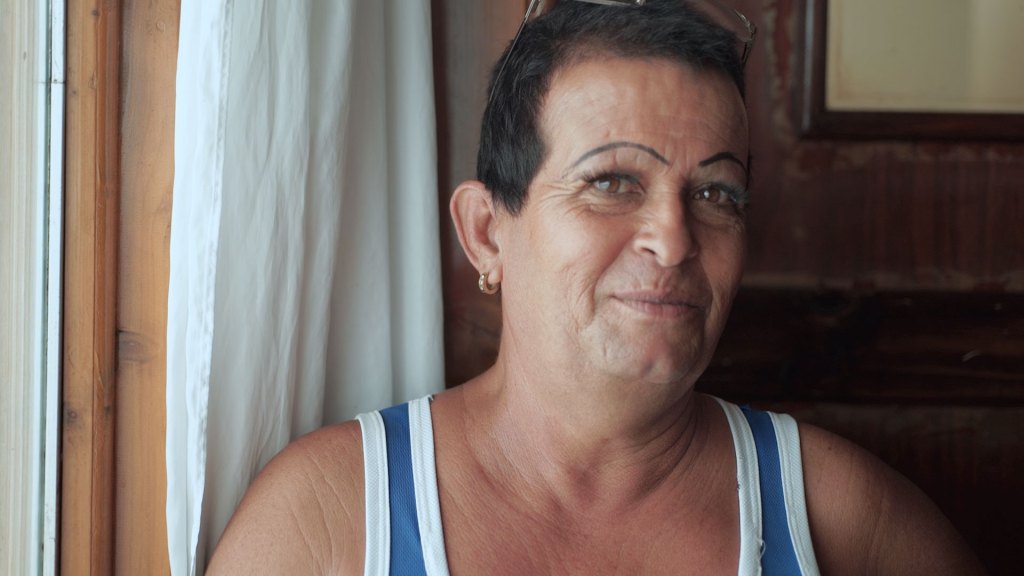
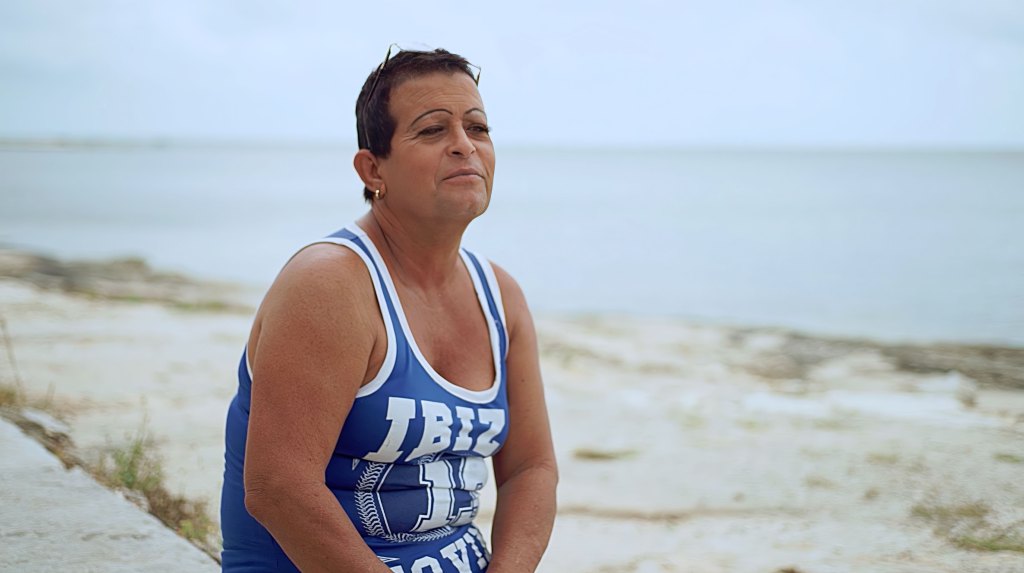
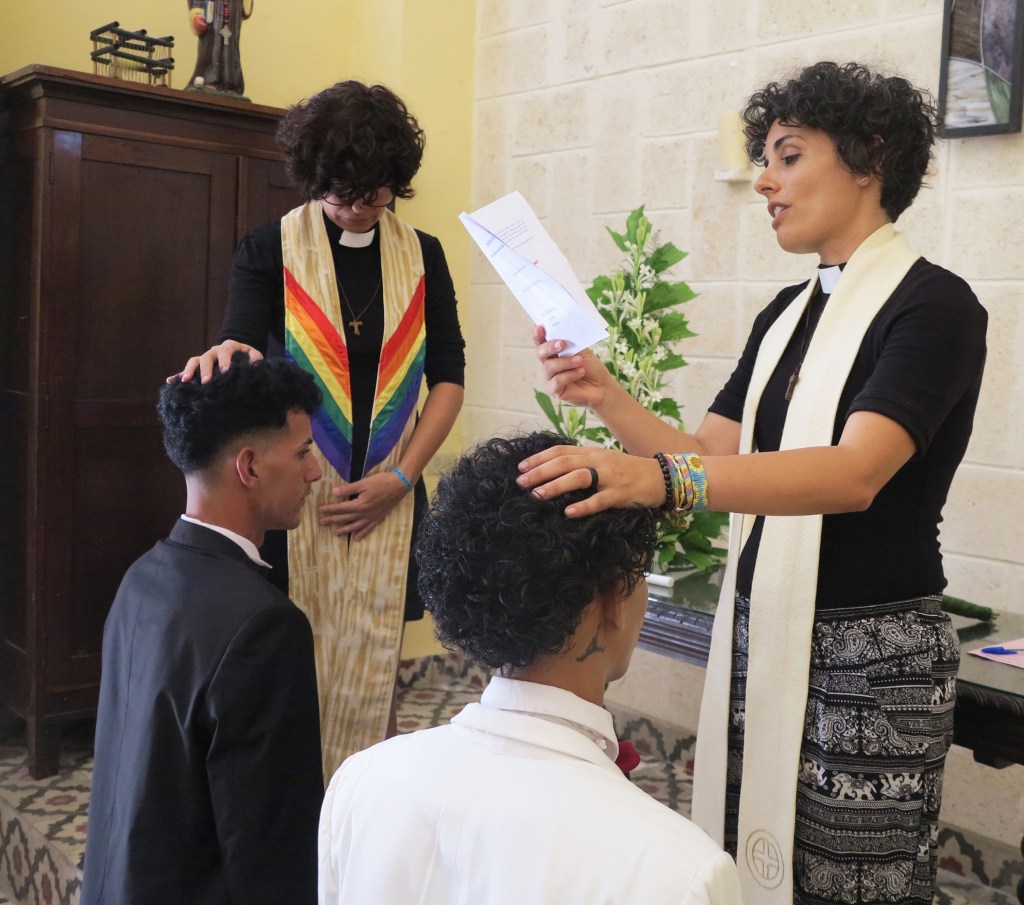
The film, shot during the runup to the island’s adoption of the groundbreaking Family Code, which would include recognition of gay marriage, follows various LGBTQ activists including Adela Hernandez, the first openly trans elected official, and Ramon Silverio, director of El Mejunje – HGFF regulars will be familiar with him from audience favourite, Queens of the Revolution. However, opposition from evangelical Christian sources is brewing…
Brian Beadie from HGFF chatted with Kim ahead of the screening, which we’re proud to have as this year’s closing film.
HGFF – How did you become interested in the subject of LGBTQ rights in Cuba?
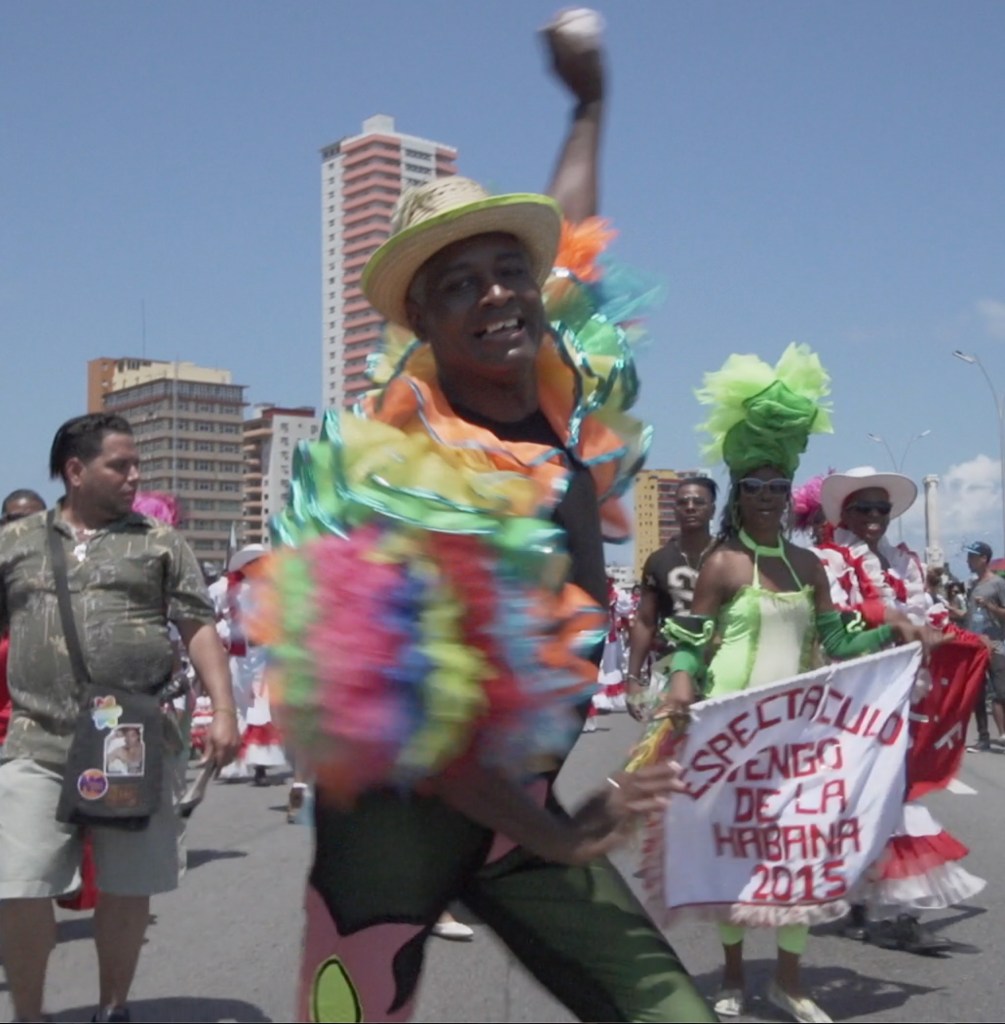
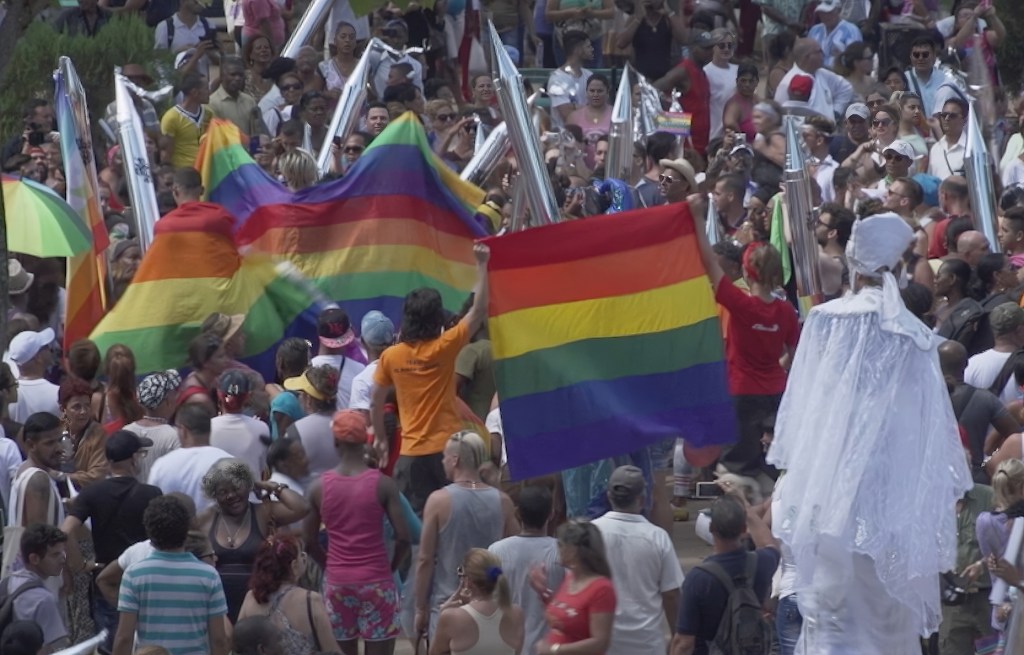
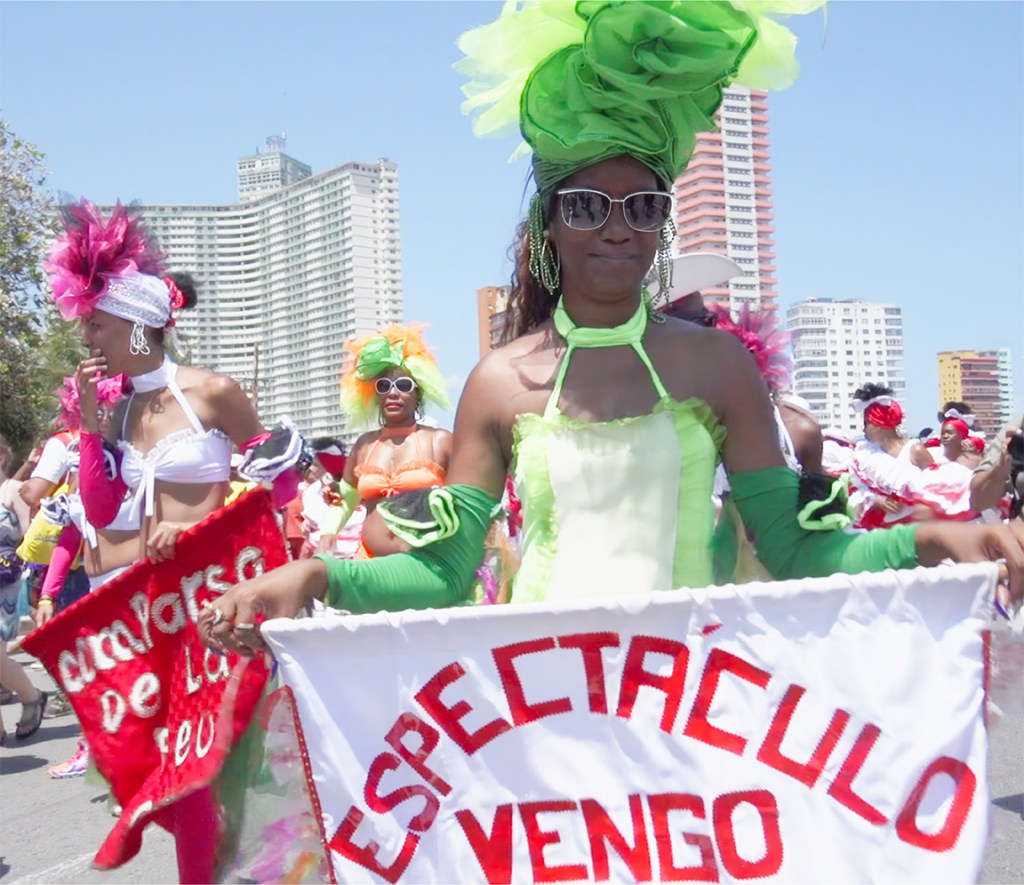
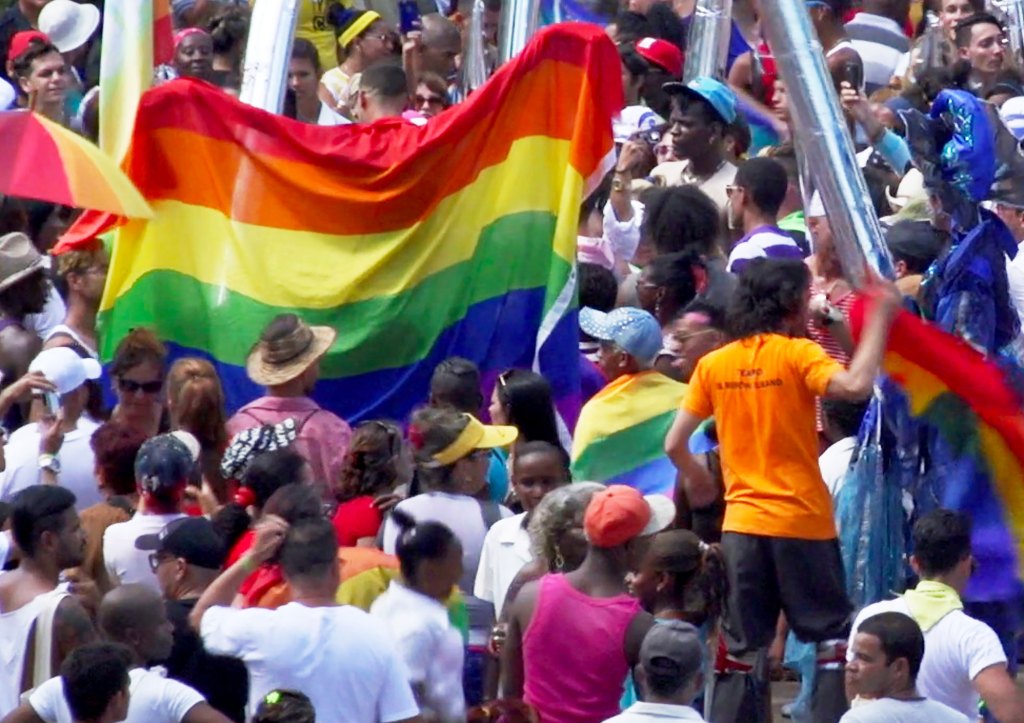
Kim – I was filming another project in South Florida, 90 Miles, which is a hybrid climate story, and was consequently put aside while I finished ¡Quba!. My team was pointing out that, from Key West where we were filming in 2016, we decided to travel to Cuba to interview scientists, and also to hire Cuban actors, and these actors ended up coming to Miami…so I have been working there for a while. Also, I am a lesbian and an artist and filmmaker; the intersection of one’s identities lead you to be curious about how our human rights are evolving. I chose to first go to Cuba during the La Jornada annual conference and “conga line”, which is actually a march – they avoid calling it ‘march’ as one does not march against the state, apparently. I was moved by this community in Cuba, and I realized that I shared many experiences with the LGBTQ population in Cuba, which I was in the dark about. I wanted to learn more, and I was very compelled by the organising style of the activists, who used music, dance, theatre and art to make their points. I was deeply inspired, so I hired Mirapaka Producciones, who got me some contacts, and then I travelled to gather my own.
HGFF – Since you were filming in the period leading up to the adoption of the Family Code, do you want to discuss the issues surrounding that?
Kim – I was filming during the vote for the constitution which decriminalised the LGBTQ community, and gave some protections but not equal marriage, and I knew this would only spur the community on to achieve their goal. We filmed inside polling locations which I never expected and I do not think any other American director has been allowed to see this process close up, despite the international news media.
HGFF – How open did you find people to discussing the issues?
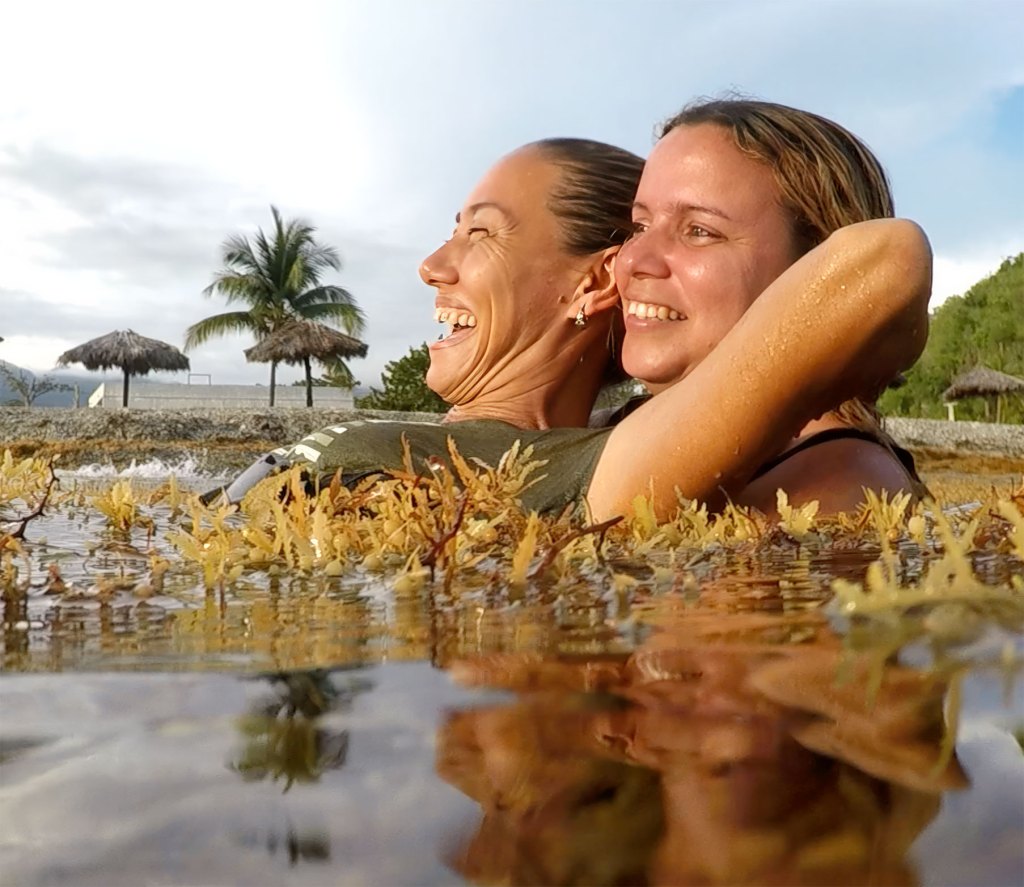
Kim – I met many people in 5 cities and in the countryside of Cuba, there are many networks of lesbians, and LGBTQ people throughout the island who have organised themselves into advocacy groups.
They were easy to find, one person – Isel Calzadilla – knows everyone, and she became important for our film on camera as well. We made an effort to find people on our own as well. A lot of groups created events and performances for us to film, they invited us to their activist events. The LGBTQ community was enthusiastic and produced events for us to film as well.
HGFF – That reminds me of Ramon Silverio at El Menjune discussing the importance of confronting homophobia, so taking it out of the ‘safe space’ of the club into the street.
Kim – He also says to “get it out to the countryside for the campesinos to comprehend.”
HGFF – There are clips of Castro talking about racism, and while claiming it’s not as bad as some parts of the US, that it’s irreconcilable with revolution.
Kim – We put this in because it follows the line of standing for those who are being discriminated against, and this gives the audience contemplation on the bridge between these two dynamics, racism and homophobia and transphobia.
HGFF – However, as Mariela Castro points out, there’s a contradiction in a revolutionary society that encourages homophobia and transphobia.
Kim – Yes, there were many and are many contradictions, such as in American society as well.
Fidel got educated about his blindspots and apologised to the world for harm that had been done to the LGBTQ community on behalf of the state in 2015. I asked many people about this apology, and many brushed it off, and said that his actions later were enough to understand he was sorry.
HGFF – Another paradox – as Cuban society has become more liberal, has a relaxation of attitudes towards LGBTQ identities been paralleled by an increase in Christianity?
Kim – This is something to consider, however, the church has been growing despite this debate for many years. The economy drives people to church, the Santeria leaders were much more tolerant and, in fact, they created a program for gay men to become trained in leadership.
I don’t think the growth of the church is directly reciprocal to the liberalisation and tolerance of the LGBTQ community, the evangelical church has taken off everywhere, on the north and south American continents as well. Although you bring up an interesting point…
HGFF – Cuba, like many Latin American societies, is traditionally quite macho. Does the end of machismo propagate or give rise to backlash from evangelicals?
Kim – Interesting to think over. Certainly in the United States we are undergoing a backlash of patriarchal forces trying to squash the gains of the 90s to the present on discrimination and tolerance.
HGFF – There are some incredibly cringe Christian anti-LGBTQ rights videos, like something from the 80s, incorporated into your film. How did you approach filming the Christian representatives?
Kim – We approached the Metodista Iglesia outside with our cameras and they invited us inside, and we were able to interview the bishop at the pulpit. He was proud of his convictions and was not shy to share this. He declares that this is not the Communist way…It was perfect for the film. We also went to a church centre in Santiago de Cuba and found opposition people there willing to declare their beliefs.
HGFF – If macho values are still prevalent on the island – has there been a rise in the new misogyny, which is spreading elsewhere?
Kim – Machismo I believe has been beaten back for the time being as far as the government is concerned , and is certainly weaker now. Cenesex monitors the treatment of women and the family as well, and there are a lot of educational events and opportunities to steward the equal rights of women.
HGFF – One person says I’m a revolutionary first and gay second – this reminded me of El Menjunje’s owner, Ramon Silverio. I loved when he talks about taking queer culture out of the ‘safe space’ of the club and into the streets. How important is that?
Kim – El Mejunje exists in the same city as the UMAP prison once stood, and Ramon Silverio with others transformed the homophobia and transphobia in that city. Silverio never wants to dwell in that history – he is constantly looking towards the future. And his taking the show to the countryside to small areas is key in the countrywide vote success. He brought drag to the country towns and spoke about the problems of homophobia and transphobia. Coupled with Adela Hernandez, the first elected transperson in the country and leader in the Villa Clara province also can attest to. Both are in Villa Clara.
HGFF – Can you speak about the participation of Roberto Chile, and his sensory depiction of Cuban society?
Kim – Chile is a very accomplished still photographer, and we shared the cross over between fine art and film. We revelled in the light and composition opportunities in the shots. He has completed a beautiful series on the Santeria ritual in Cuba for example, capturing the smoke in the air, the light, in such a specific Cuban way.
HGFF – How do you see Cuba fitting into the international pattern of pushback against LGBTQ rights in general, and trans rights in particular? Basically, what can we learn from the film?
Kim – This story is a gift to our community and its humanity. We need to see the victory here, the joy of passing such comprehensive legislation to protect our families globally. This is at a time when the attacks are avalanching upon us in the US and elsewhere around the world. The Cuban story indicates the unveiling of the dangers of machismo and bigotry cloaked in religious doctrine. It is a recent innovation, our equal rights and the temptation of the forces of authoritarianism to persecute us again is too much for many, and they take the opportunity in brutal ways. Cuba is the only communist nation to vote by referendum on human rights for the LGBTQ community. That is an international and historic story.